
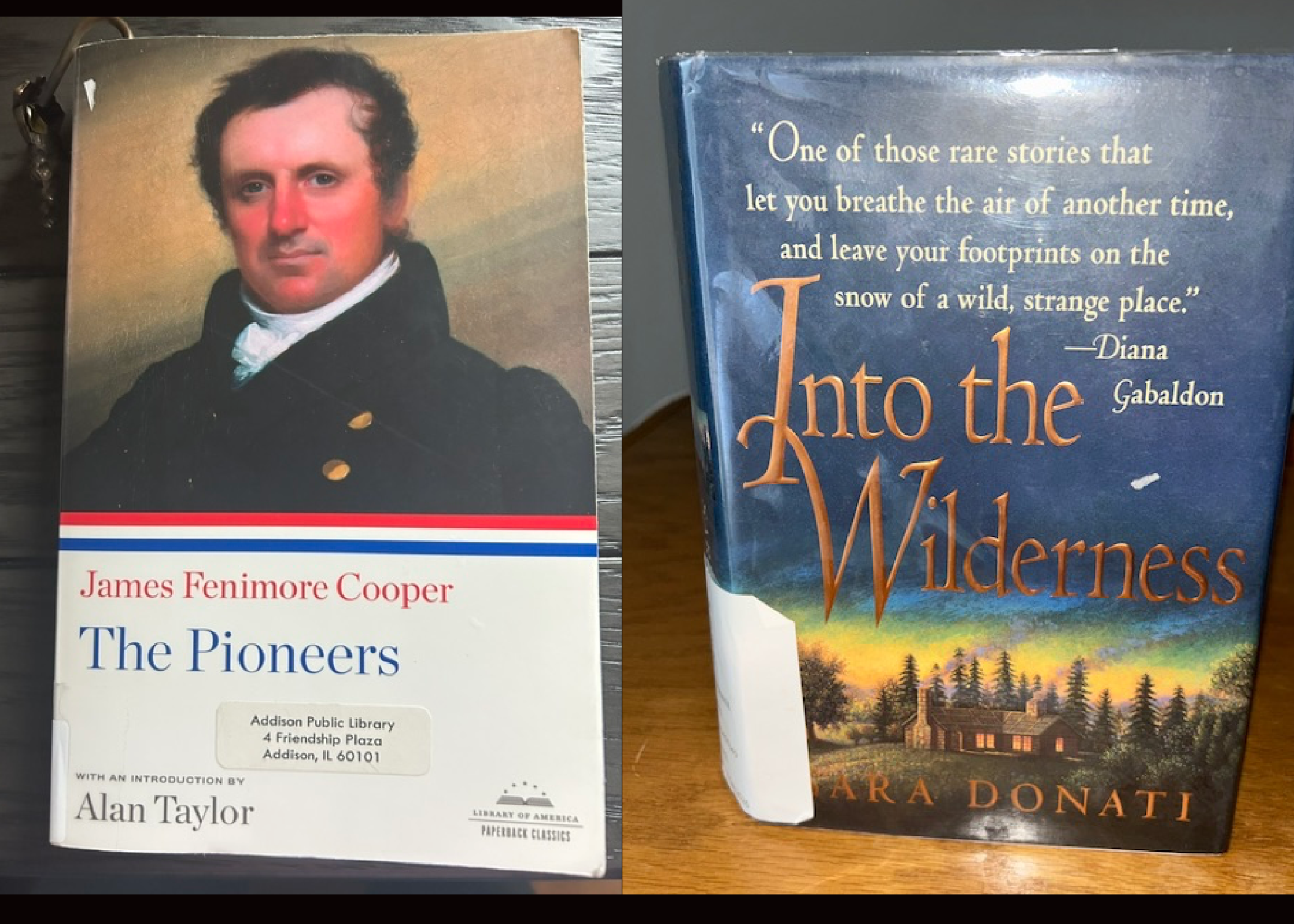
I picked up the historical-fiction novel, Into The Wilderness by Sara Donati, in hopes it would give me a sense of life in the wilds of upstate New York and lower Canada during its settlement by Europeans. The timing is 100 years off for research for my own novel set in 1655, but the book does give much of what I need. Kudos to the author for her deep research into wilderness survival, the flora and fauna, the native people, and European attitudes toward them…and vice versa.
I’m glad I finally finished the book and wished it had ended much sooner. I paid a lot of attention to descriptions of nature and outdoor skills but skipped the many insipid romantic scenes—they seemed so silly and forced. I was also put off by the use of character names and stories which paid tribute to the Outlander series (which I loved). She even refers to a white witch healer on the battlefield by the name of Claire Frazier. Very distracting.
When I opened Into The Wilderness, I had just read the first several chapters of James Fenimore Cooper’s The Pioneers. I was intrigued…both books start with the same scenes and similar names and stories. Is this a tribute to Cooper, fan fiction, or was the author unable to think of her own storyline? I plan to take up The Pioneers now to see if the similarities continue throughout both books.
I’ll bet Cooper’s classic story includes deeper characters, original themes, and a thrilling and believable plot. Into the Wilderness seems to lurch along in a set way, like a formula. For example, Nathanial has no flaws…good looking, brave, and altruistic and who happens to guard a chest of gold which can keep his chosen Indian tribe in their homeland where they found a silver mine. I really rolled my eyes when, in the end, he turns out to be the lost heir to an earldom in Scotland.
My favorite character is Curiosity, a freed slave in the main character’s father’s house. She is wise, knowledgeable, and loyal to the family…but that is probably an overused character, too.
Overall, I’m glad I read the book because, if you ignore the excesses, it gives a good sense of the wilderness and touches upon the issues of the time.


 Jeanne Meeks ~ Fiction Author