
By 1830 Canada was under British rule. Working class French Canadians were the majority in Lower Canada but had little real political influence. Power was in the hands of the governor and the English-speaking elite. Working-class people did not own land and had no voice in the government.
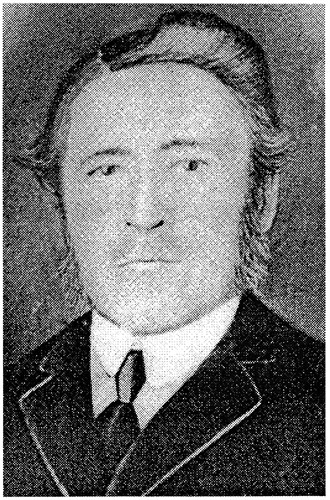
Ordinary farmers, artisans, teachers, and community leaders joined the Parti Patriote movement, which sought greater democracy, self-government, and preservation of French Canadian culture and language. My great-great grandfather, Toussaint Rochon, was one of those Patriotes.
Toussaint was born in 1810 in Terrebonne, Quebec in the St-Louis de France parish. In his twenties he was a teamster and built and painted wagons and carriages. His family were mostly farmers on land owned by the elite.
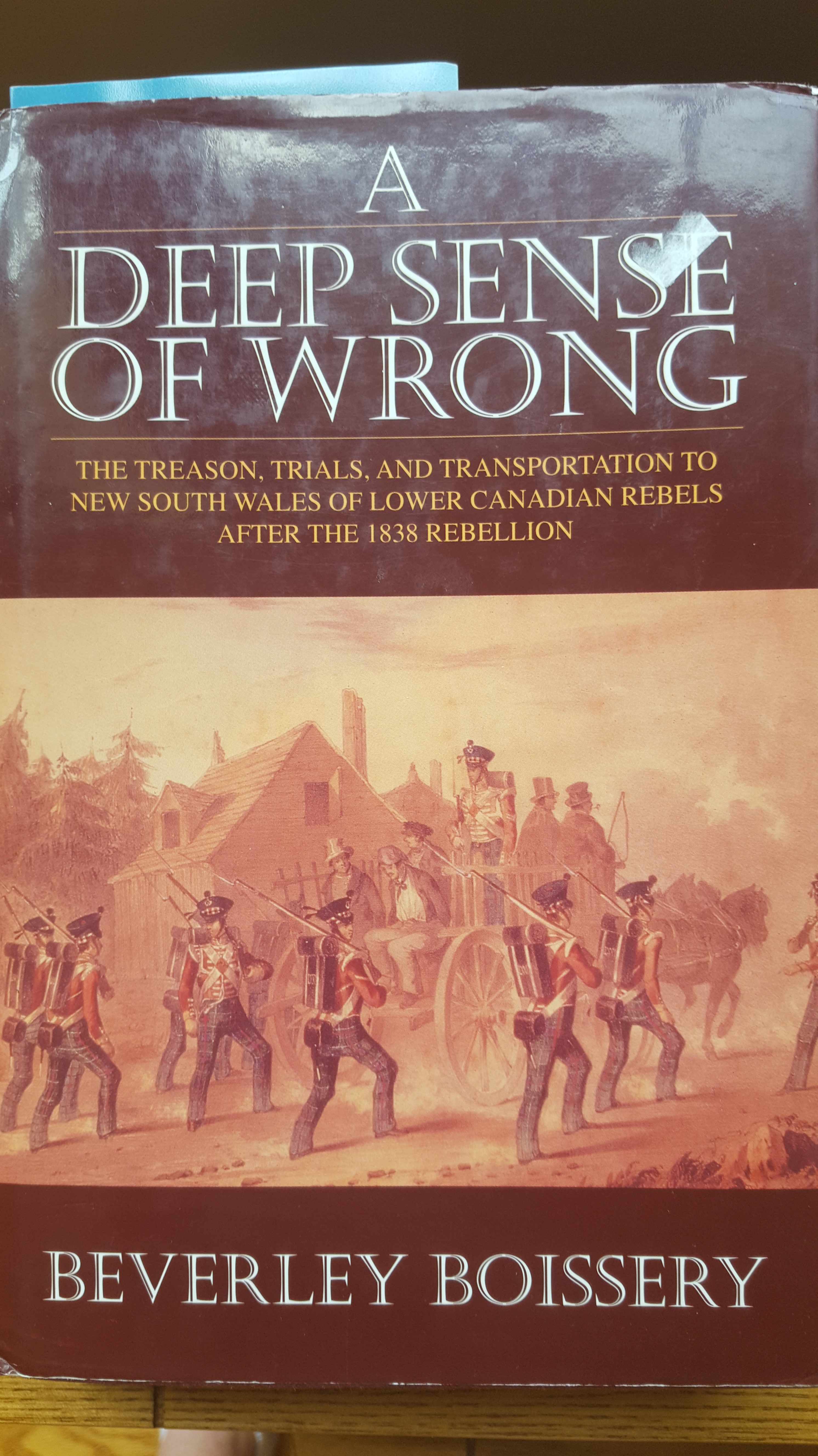
When the Patriote movement’s peaceful petitions and political resolutions failed to bring change to the oppressive government, resistance leaders urged rebellion. When the uprising reached Beauharnois in Lower Canada in November, 1838, Toussaint, his two brothers, and other relatives felt it their duty to join the rebel cause. The uprising was quickly smashed by British troops.
The three Rochon brothers were sentenced to death for treason along with 108 others. Twelve men were hanged. Fifty-eight including the brothers had their sentences commuted to life in prison and were shipped to the penal colony in New South Wales, Australia.
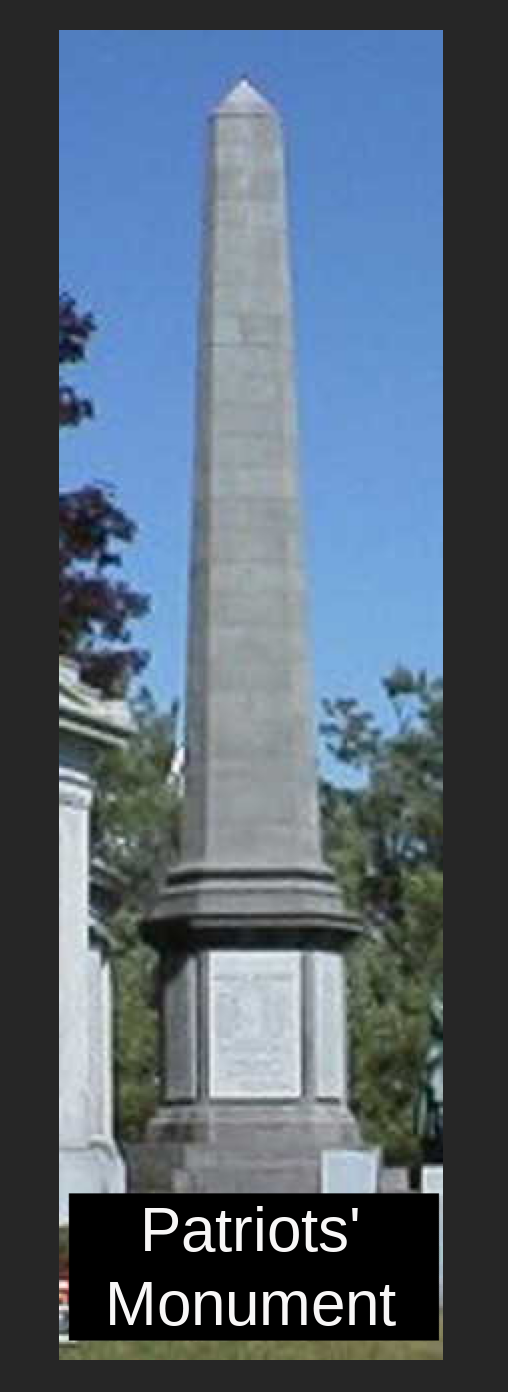
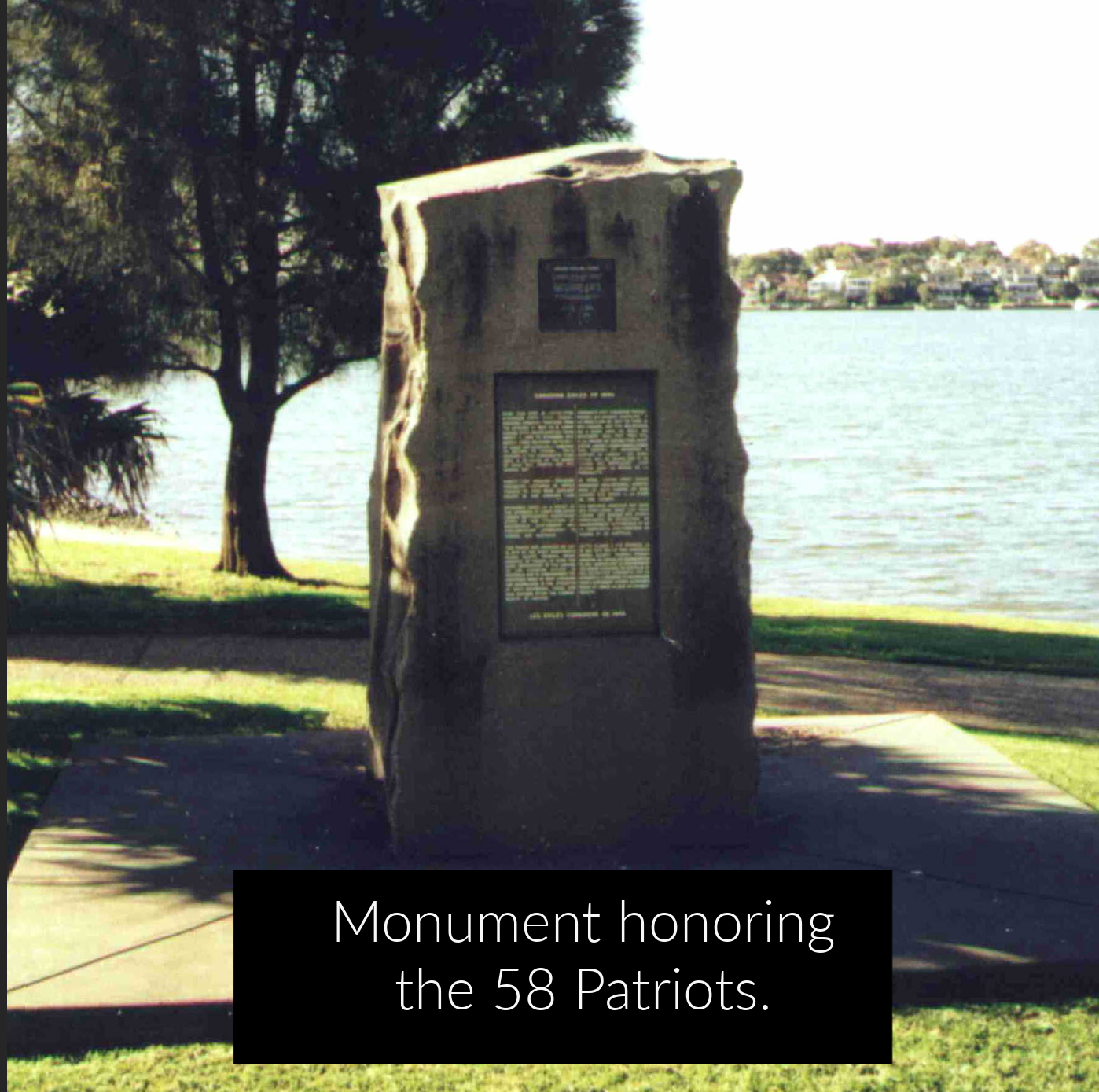
Their names are on monuments and plaques which commemorate the fifty-eight men from Lower Canada who were deported to Australia after the 1837–38 rebellions. They are called Patriotes(Patriots) and honored because of what they represented, not just what they did.


 Jeanne Meeks ~ Fiction Author