What’s in a name? Apparently, quite a lot, especially when writing a story based in historical fact, in a certain era, or in a specific place. For example, in 17th-century France, no one was named Cyndi.
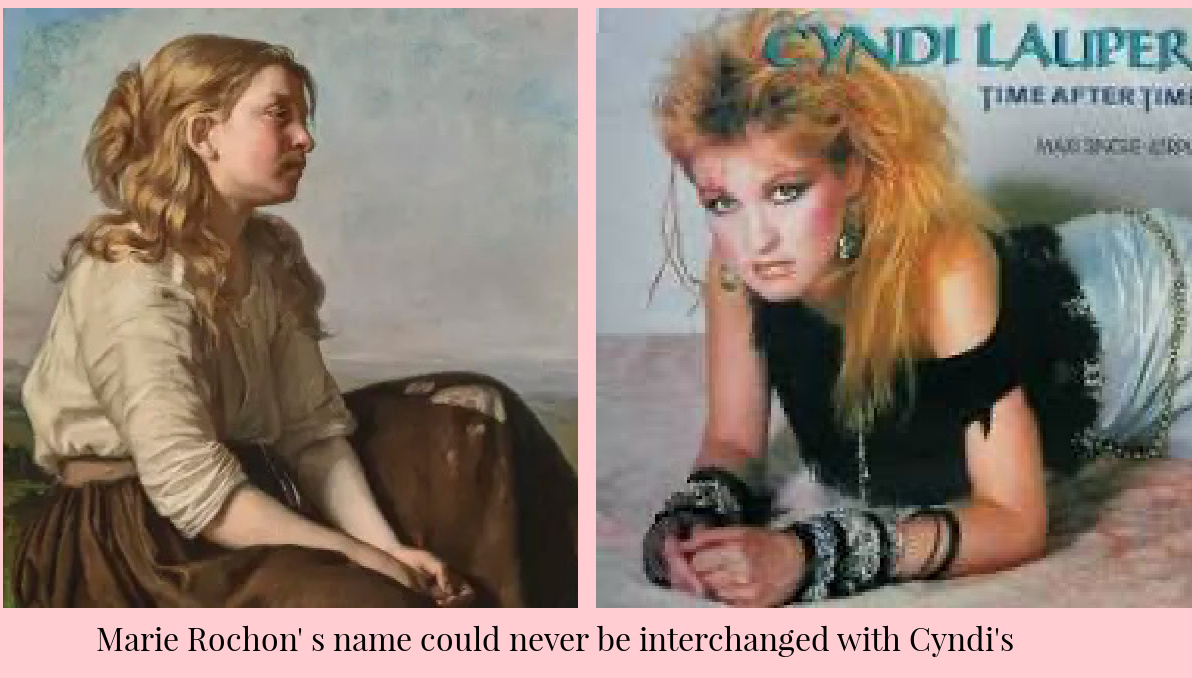
To get it right, I located old parish records and made a list of first and last names common to the peasantry in north-central France. I also created a spread sheet of names I’ve used to remember who is who and to avoid duplication….we all have our favorites.
As I develop characters, I decide what their role is or what occupation they might have and choose names accordingly. In my Grand Canyon mystery novel the National Park ranger is named Glen Hawk…a strong, outdoorsy name and not too obvious. In my YA book, each of the protagonists were intentionally and obviously named as good guys: Wyatt Best, Emma Goodpastor, Bai Finemettle. I had fun with that.
Also think in terms of generations. My elderly war veteran’s name is Henry – old-fashioned and solid. Names like Liam, Elijah, or Logan are reserved for children born much more recently.
As I research the people of rural France in 1650, I find a person’s last name often denoted their occupation, physical attributes, or the location of their home. I can imagine them more clearly when I give them a descriptive name. It’s interesting to see how those names translate:
Butcher- Boucher
Carpenter – Charpentier
Shepherd – Berger
Sailor – Marin
From the woods- DuBois
Near a spring – Fontaine
Tall one- Legrand
Light or fair – LeBlanc
From a rocky place – Rochon
Also be aware of class-specific names. A rich socialite from New York will have a different name than a farm girl from Iowa. A Chicago banker doesn’t want to be called Bobby Joe, any more than a football player wants to be called Percy….unless the names become part of the story.
Give your reader a break. Choose character names that are easy to pronounce. And to avoid confusion, make sure they don’t sound or look like another character name. This allows the reader to differentiate without having to backtrack. In my current work-in-progress, my main character’s name is Marie (as taken from actual ancestry records). Her mother was Matine. There were so many Marys, Margarites, Mathurines, and Michels, it became confusing. I also have to use Monsieur, Mama, Mademoiselle, Madam. M, M, M, everywhere. I had to do something, so everyone got renamed except the main character. I also swapped out names here and there and replaced them with nicknames and titles.
Names are important and powerful tools to convey time period, class, culture, personality, and even theme. So, give your characters’ names lots of thought.
Think about it…Mary Shelley would not have had a classic novel, if she had named the Dr. Frankenstein character Percy DeBois.


 Jeanne Meeks ~ Fiction Author