
Will AI take over the world? I don’t know, but for now, Chatgpt.com is my new best friend. We’ve become very familiar as I research French history, peasant life, clothing, food, etc etc for my new historical fiction novel.
We, as writers, know that we must not use AI to create our stories and novels. That’s plagiarism or cheating or fraud—because it’s not you. That said, in addition to easy research, it’s great for creating marketing pieces, blurbs, or short non-fiction articles.
The most valuable part of AI is the ability to search for facts. It has cut down my research time by 90%. If you want to know how a 1650 French peasant woman dressed, ask Chatgpt to describe such a person. Ask it simple, clear, short and specific questions, and it will zip out facts to you in seconds.
You’ll get your answer, and it will then ask you leading questions, such as “Would you like to know how they made their clothes?” “Do you want a description of the children’s clothing?” It’s a brave new world.
Caveats:
- Chatgpt will entice you by also offering to write scenes for you. Just say no. Imagine the scenes for yourself and use your own words to describe. Reading the AI version will skew your own thoughts, and I think readers will begin to recognize AI’s style.
- Chatgpt readily admits that it can get facts wrong. So, question everything and double check on Google and with research books. Sometimes just asking the same question in different words will generate a different answer. Remember, AI is nothing more than a computer trolling for information, true or not, found on the internet.
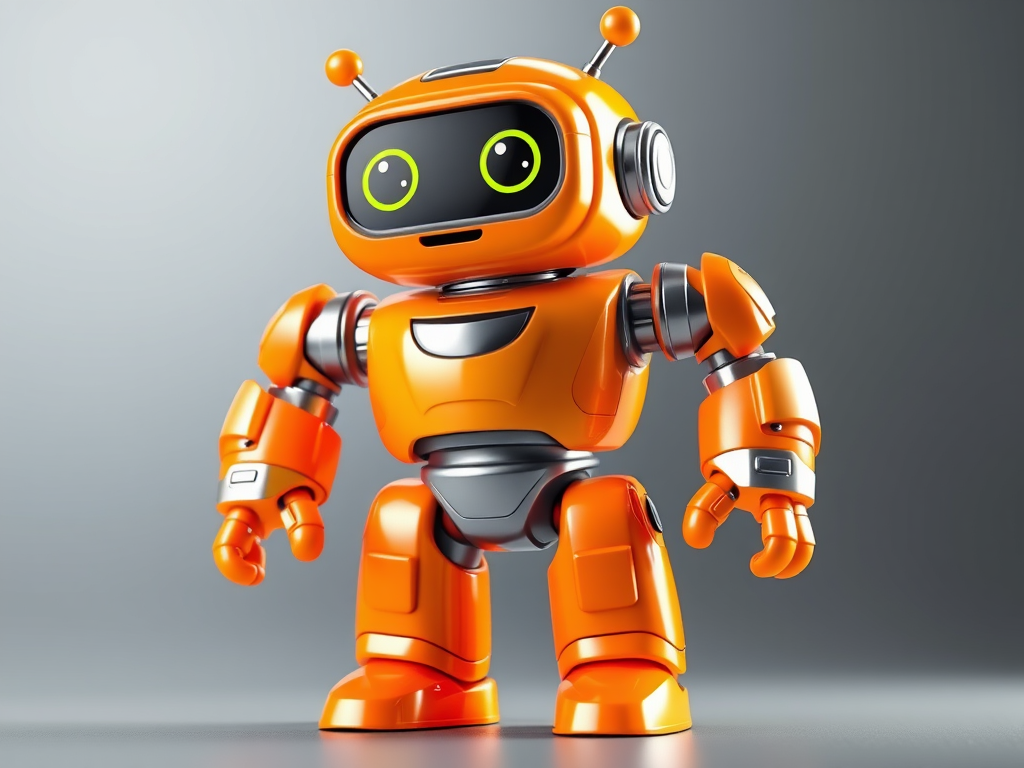
- Chatgpt will produce pictures and maps, but they are not very good and are rather clunky. They also take a long time to show up—as much as 30 minutes. Though I do like the cute little guy above which AI quickly generated for me.
- When uploading my last book to Amazon, it asked me if any part of my book was generated by AI. I’m not sure what they’d do if I’d said Yes—maybe put my novel in the bottom of some Amazon swamp.
So, do YOU use AI for research or for writing articles? What do you like about it?
AI surely has a different style than my own. To compare, keep reading what Chatgpt gave me. Hint: my best friend and I came to some of the same conclusions.
Using AI for Research and Novel Writing: Pros and Cons
Artificial Intelligence is becoming an increasingly common tool for authors, offering both exciting advantages and potential drawbacks when used for research and writing fiction.
Pros:
AI can accelerate the research process, quickly gathering historical facts, cultural context, and obscure details that would otherwise take hours to uncover. For historical or science fiction writers especially, AI can suggest names, locations, technologies, or social customs relevant to the story’s setting. When used creatively, AI can also help generate plot ideas, brainstorm character traits, or offer suggestions for pacing, tone, and structure.
Cons:
However, reliance on AI can dull a writer’s personal voice if not used carefully. AI-generated text often lacks emotional depth, nuance, and originality. Overuse may lead to formulaic storytelling. In terms of research, AI can sometimes provide outdated, biased, or incorrect information if not double-checked against primary sources. There’s also the ethical concern of originality: how much of a novel can be machine-assisted before it stops being truly the author’s work?
Conclusion:
Used wisely, AI can be a powerful assistant in a novelist’s toolkit—offering inspiration and support without replacing the writer’s unique perspective and voice. The key is to treat AI as a partner, not a replacement.


 Jeanne Meeks ~ Fiction Author
very interesting
LikeLike