
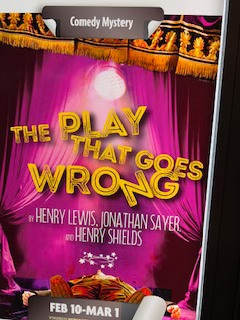
We attended a performance of The Play that Goes Wrong at the Florida Rep in downtown Fort Myers last night. I love the old intimate theater, and the goofy play gave us plenty of laughs. Slapstick comedy has kept audiences laughing for a thousand years, and it got me to wondering…did French peasants in the 17-century attend performances?
Yes, but the stage, the actors’ lives, and their payment were vastly different.
Morality plays were presented by students of Jesuit Universities for the elite. Common people had more access to traveling performers, puppeteers, and comedians who traveled to towns with busy marketplaces. They either walked or packed all they owned into wagons.
Actors and comedians in 1650 had no microphones, only a strong set of lungs. Their scenery was a cloth backdrop tacked to the side of a church or an inn. Curious townspeople gathered near an outdoor performance, close enough to join in the fun, heckle, or throw cabbages after a joke flopped. The audience did not buy tickets, but when the hat was passed, they’d throw in a coin or two….if the actor or comedian made them laugh.
Today’s humor often relies on politics and can be risky and unfunny. In 1650, the safest laughs came from stock characters: the boastful soldier, the miserly old man, the flirtatious maid, the pompous doctor. Physical comedy worked best—slapstick falls, mock beatings, outrageous disguises. That pretty much describes the play we saw last night.
For centuries, the aim of the performance is the same: gather a crowd and get them to laugh.


 Jeanne Meeks ~ Fiction Author