
In 1650 rural France, justice was swift and visible, especially for the poor. Most rural areas fell under the jurisdiction of the local seigneur (lord) who meted out justice. A peasant unable to pay his debts or found guilty of minor offenses, such as petty theft, insults, drunkenness, or selling goods without license, rarely faced long imprisonment. Instead, punishment was designed to humiliate and deter. Offenders might be paraded through the village, fastened to the pillory in the market square, or confined briefly in the seigneur’s damp cellar or local cachot (lock-up). Others were sentenced to public whipping, forced labor, or banishment from the parish. Because feeding prisoners was costly, incarceration was avoided unless ordered by royal courts.
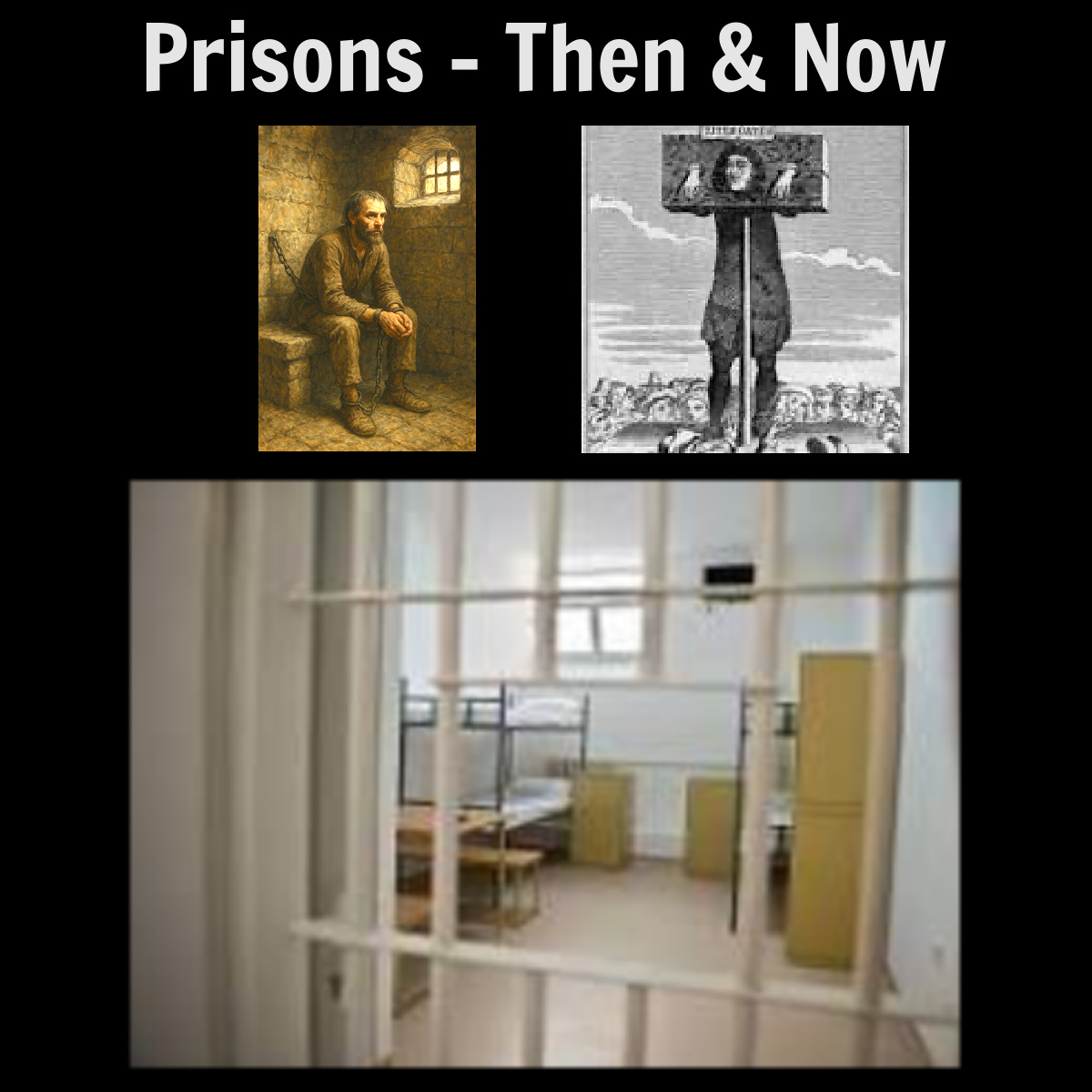
More serious crimes: repeated theft, rebellion, or assault brought harsher judgment. Those accused of such acts were taken by sergents to regional centers like Le Mans or La Flèche, where royal courts held authority. These towns maintained sturdier prisons. Inside, stone cells with iron doors housed both common criminals and political offenders awaiting trial or punishment. Conditions were grim: damp walls, straw bedding, and chains fastened to the ankles. Whether in the village pillory or the town prison, the fate of the poor was the same—public disgrace and the heavy hand of royal justice.


 Jeanne Meeks ~ Fiction Author