
For demanding fair treatment under the law and taking part in an uprising against the British crown in November of 1838, more than a thousand French-Canadians were rounded up and put on trial. The military trials ran from Dec. 6, 1838 to May 1, 1839.
My great-great grandfather, Toussaint Rochon (28), was one of one hundred and eight French-speaking men who were sentenced to death for treason. His trial lasted ten days in January, 1839. Twelve of the leaders were hanged while the others sweated out that spring and summer in prison, waiting to die. While the condemned sat in prison, their properties were seized immediately and put up for sale. Toussaint’s wife, Sophie (21) had an 18-month-old baby and one on the way.
The public tired of trials and hangings, so a month or so later, the remaining prisoners had their sentences commuted from death to life in prison. On Sept. 25, 1839 fifty-eight of the prisoners received Notice of Deportation and two days later they sail on a small ship from Montreal to Quebec where they were loaded onto The Buffalo the next day.
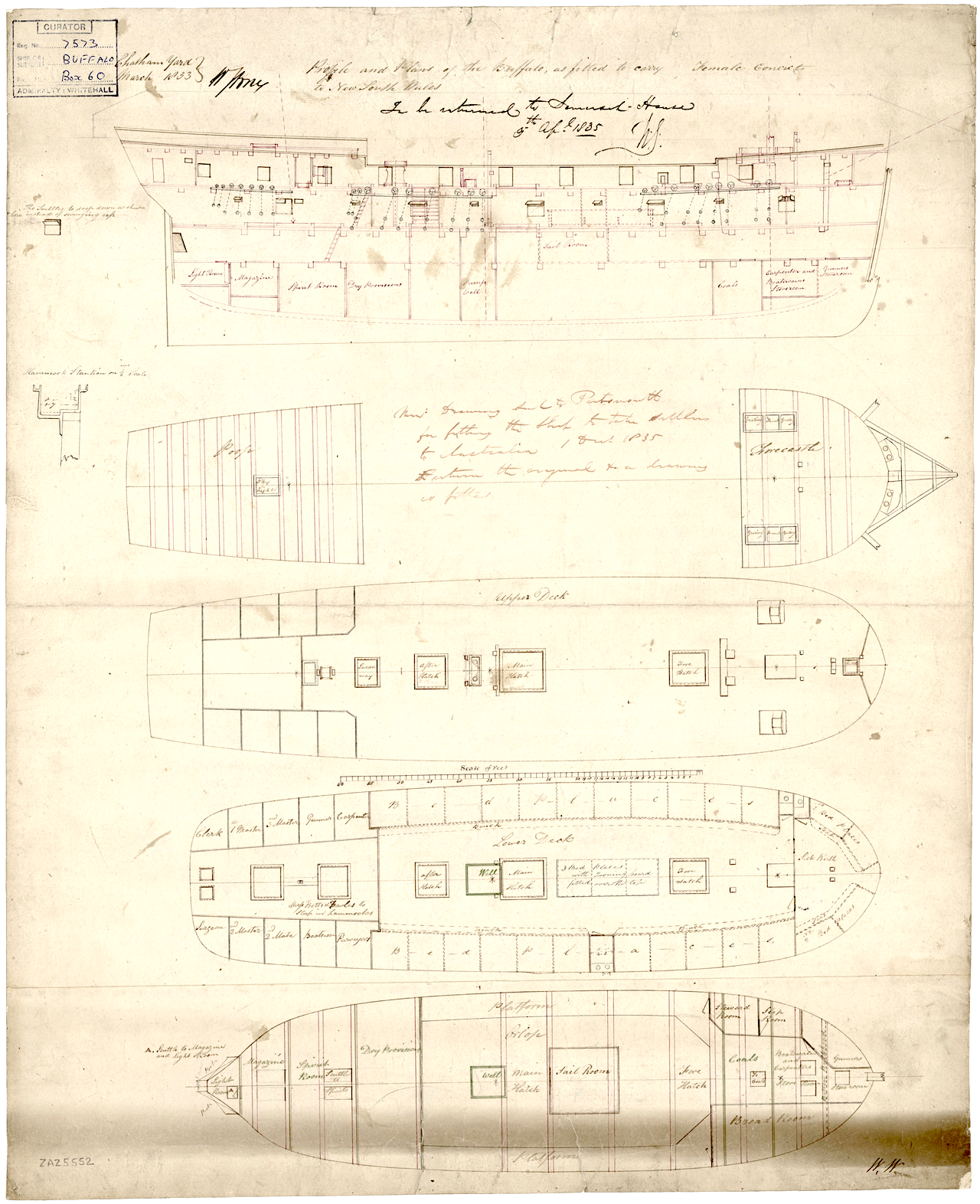
The Buffalo was built as a merchant ship and refitted to transport prisoners. It was 120 feet long and 33 feet across. Captain Hindmarsh was in charge of the ship. He wrote of himself as a caring, considerate Captain, but diaries kept by an officer and passengers describe him as a foul-mouthed tyrant.
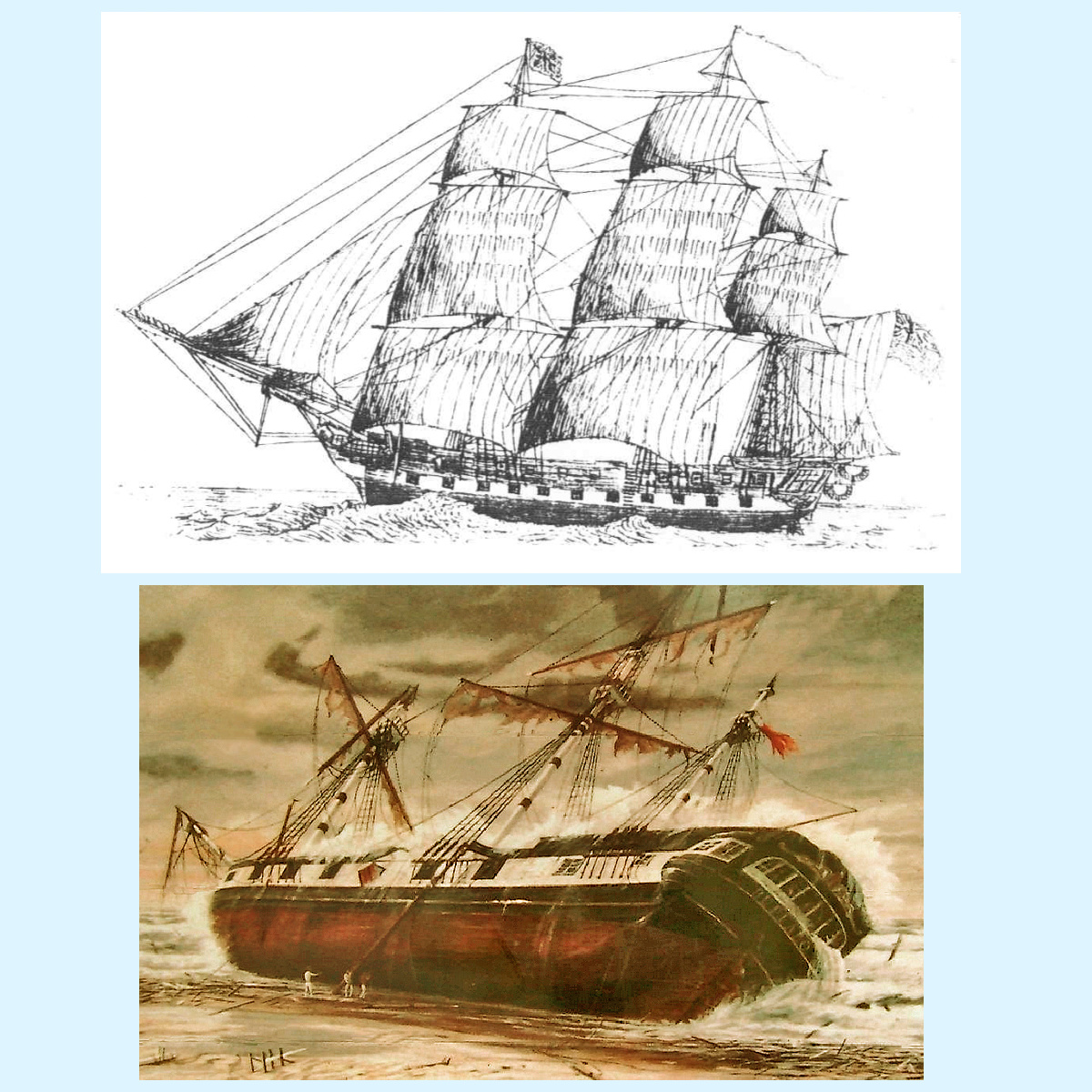
The Buffalo sailed south along the North and South American coasts, stopping in Rio de Janeiro, crossing the Atlantic and rounding the Cape of Hope to enter the Indian Ocean. The five-month voyage was difficult due to storms and conditions aboard ship including illness and overcrowding.
Ninety-one English-speaking rebels disembarked at the harsh prison in Tazmania. The remaining prisoners arrived in Sydney, Australia on February 25, 1840. Yet, they were not allowed to disembark for two weeks. Since the French-Canadians were mostly Catholic, a local bishop intervened and convinced authorities to let the convicts stay in New South Wales rather than be assigned to an even worse prison elsewhere.
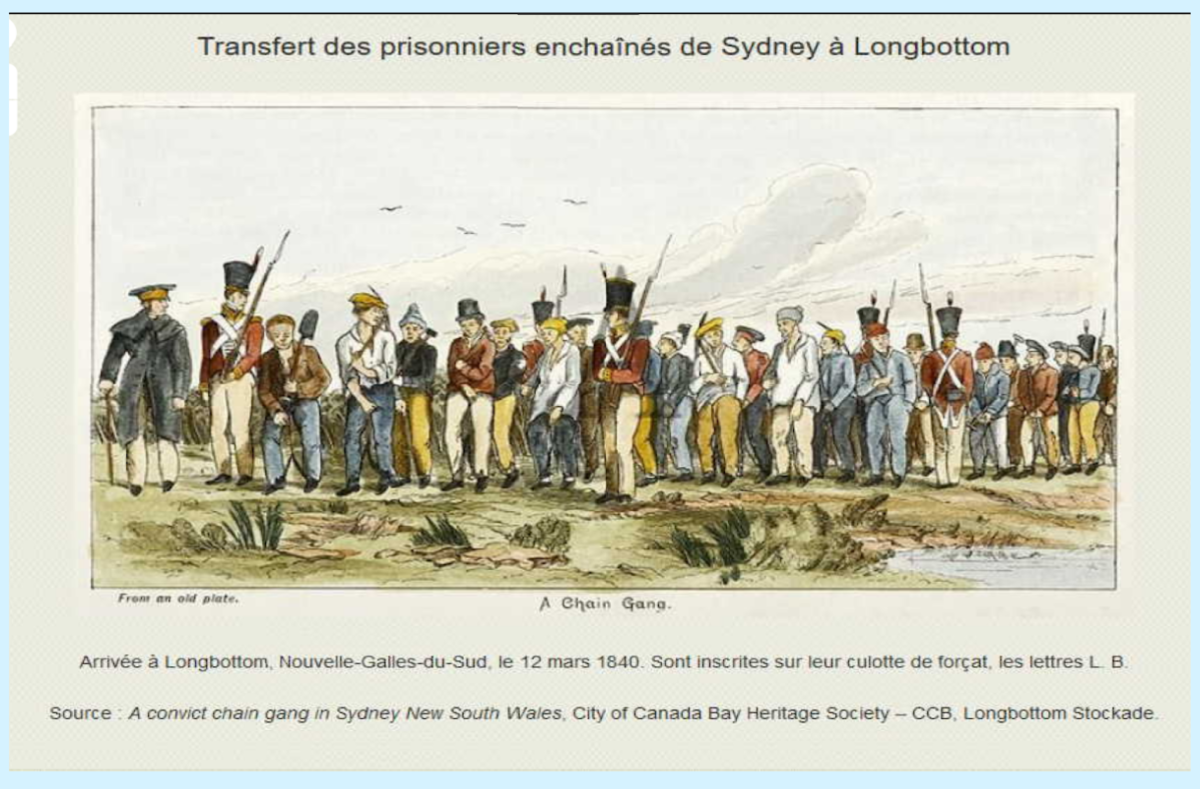
The fifty-eight men marched to Longbottom Stockade in New South Wales where they were confined for six months while doing hard labor building a road and collecting sea shells to make lime. After that trial period, they were allowed to find employment among the local people as clerks, carpenters, and gardeners. After a time, the French-Canadians proved to be hard-working and trustworthy, so they were able to live as they pleased.
On a side note:
In August of that year, 1840, The Buffalo was loaded with wooden spars in Mercury Bay on the north island of New Zealand preparing for a return trip to Canada. A strong gale hit, and the ship broke away from its cables. The captain ordered the ship beached to save the crew. The wreck is still in the bay.
For more historical fiction: https://www.facebook.com/groups/1185865059974956


 Jeanne Meeks ~ Fiction Author