
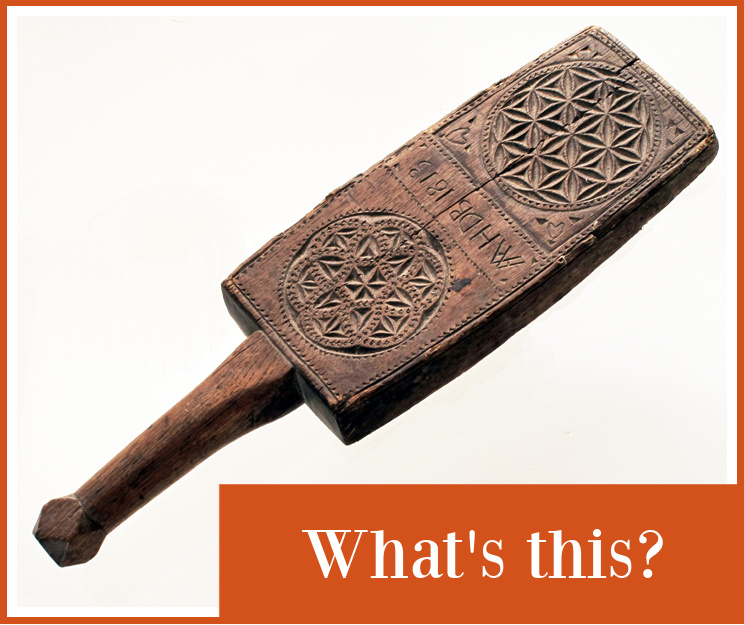
Every peasant woman in the seventeenth century would have been familiar with this household item.
Need a clue? Read more:
Laundry Day in 1650 Rural France: A Back-Breaking Chore
In 1650s rural France, doing the laundry was a full-day affair. Without running water or soap as we know it, peasant women relied on rivers, streams, or if the village was in walking distance, public washhouses called lavoirs. Early in the morning, baskets of linen and homespun garments were carried on hips or balanced on heads as women made their way to the water’s edge.
In my novel, Matine and Marie, did the laundry once a week, boiling the worst of the offending garments. The process was physically demanding. Clothes were soaked, beaten with wooden paddles, scrubbed with ash or homemade lye, then rinsed and wrung out by hand. Harsh winters didn’t pause the work. The women often broke ice to reach the water. Still, laundry day could be more than drudgery. In the village, it was a time for storytelling, gossip, and singing. Strong peasant women turned the chore into a way to connect with other women.
Clean clothes were dried on bushes, grass, or laid out on stone walls. Bright white linens, often boiled with wood ash, were a point of pride.
Today’s spin cycles and detergents feel like magic by comparison, but they’re built on generations of labor and lye by the riverbank. #HistoricalFiction #LaundryDay #SeventeenthCenturyLife #WomensWork #FranceThroughTime.
Answer: A laundry paddle


 Jeanne Meeks ~ Fiction Author